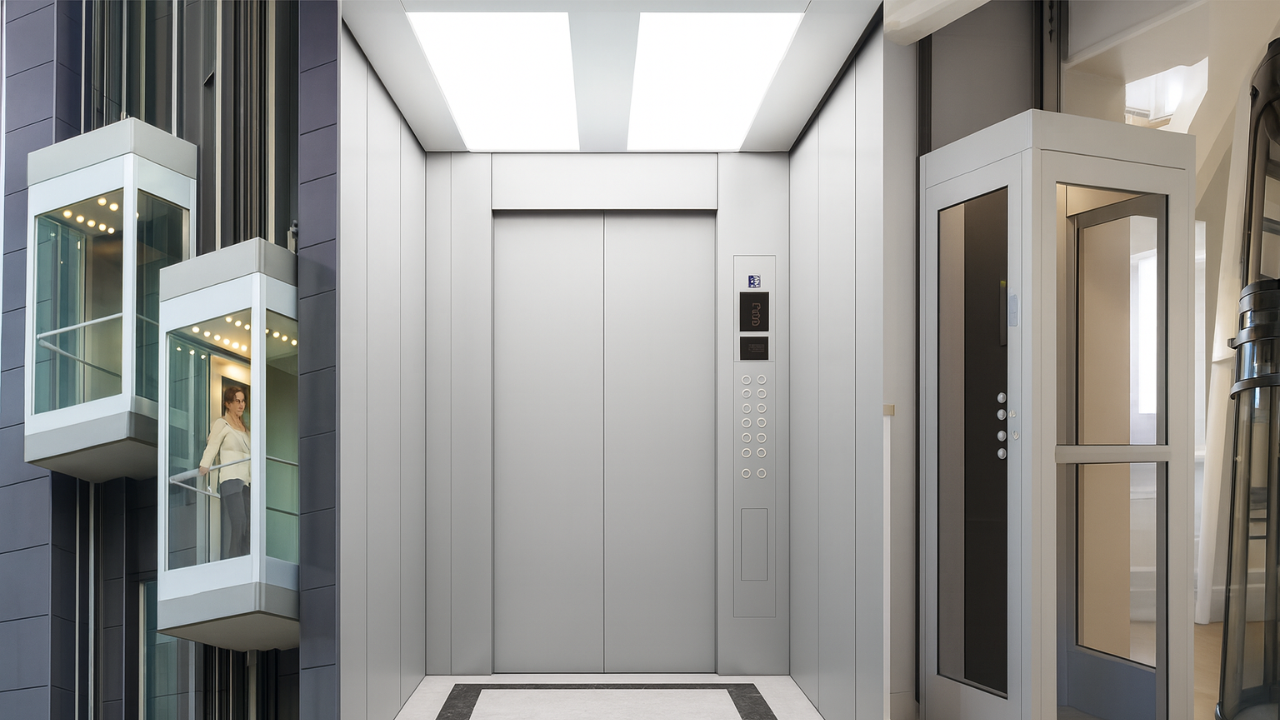
Introduction
In modern buildings – be it high-rises, hospitals, residential complexes or industrial facilities – elevators have become indispensable. They not only elevate people and goods vertically, but also contribute significantly to building efficiency, accessibility, and safety. As a pioneer in the Indian elevator industry, Eros Elevators offers a wide range of solutions tailored to diverse needs across segments.
In this blog we’ll explore:
- What an elevator is and why it matters
- Key types of elevators in today’s market
- What Eros Elevators specialises in and how their solutions stand out
- Frequently asked questions (FAQs) + spots where you can insert product showcases or infographics for visual appeal
What is an Elevator & Why It Matters
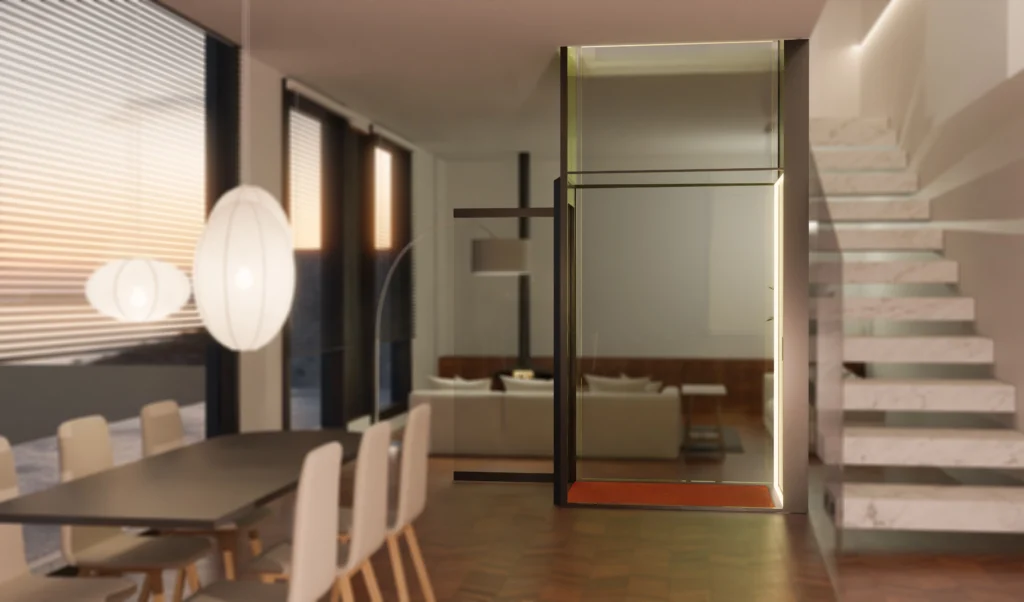
An elevator (lift) is essentially a platform or cabin that moves vertically inside a shaft (hoistway) to transport people or goods between floors.
From a building design and operational standpoint, elevators matter because:
- They enable taller buildings and high-rise development.
- They ensure accessibility for all occupants (including elderly, differently-abled).
- They affect traffic flow, energy consumption and safety in a vertical transport system.
- They provide value to the property: reliability, branding (premium finishes), maintenance costs, uptime.
Given all this, choosing the right type of elevator – appropriate capacity, speed, layout, technology – is critical. That’s where the “types” come in.
Types of Elevators & Their Use-cases
Below are some of the common elevator types you’ll find, especially in the Indian context and as offered by Eros Elevators.
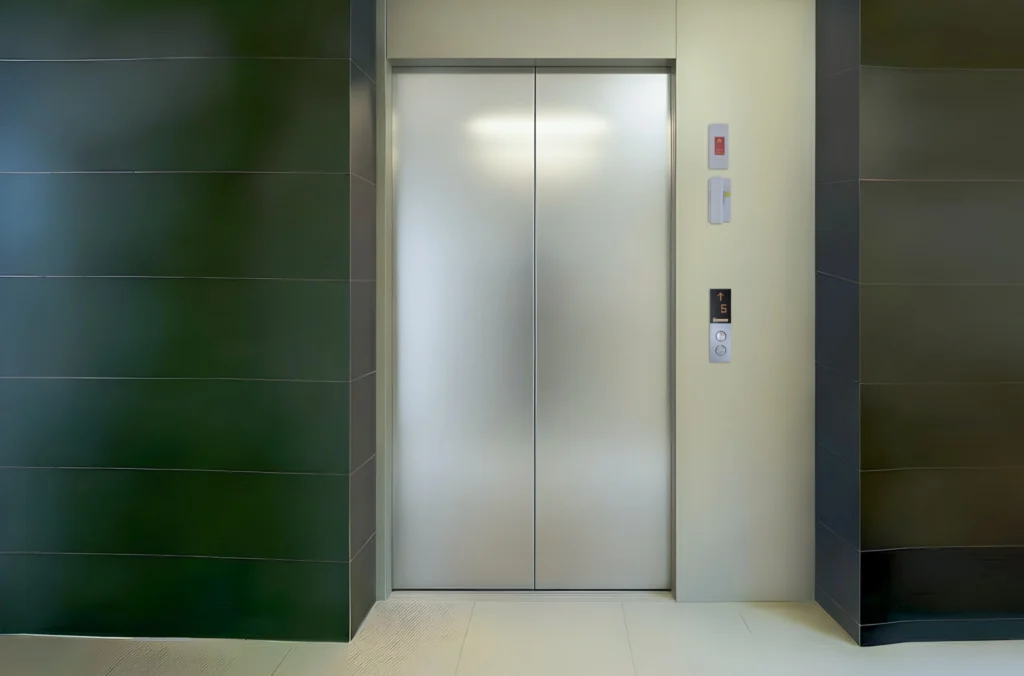
1. Passenger Elevators
These are the standard lifts for people in residential, commercial or mixed-use buildings.
Key specs (Eros example): Capacity: 4 persons to 24 persons; Speed: 0.6 m/s to 5.0 m/s; Max travel height: up to 180 m.
When to choose: When you need to move people efficiently between floors, in apartment buildings, office towers, hotels, etc.
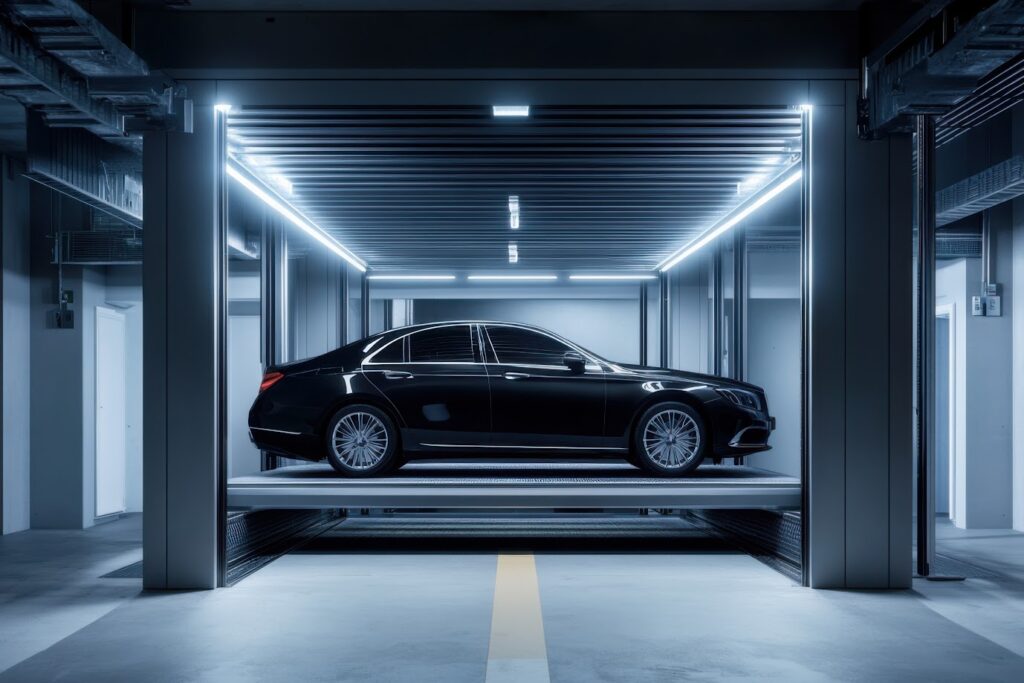
2. Car Elevators (Vehicle / Automobile Freight Elevators)
These are specialised elevators for moving vehicles (cars) vertically – in parking structures, showrooms, service centres.
Key specs (Eros example): Capacity: 2,500 kg to 5,000 kg; Speed: 0.5 to 1.0 m/s.
When to choose: When parking space is limited horizontally, or you need vertical car movement, automated car parking systems, high-end showrooms.
3. Hospital / Healthcare-specific Elevators
Hospitals need elevators designed to handle stretchers, medical equipment, emergency services, and meet strict safety & hygiene standards.
Eros lists hospital elevators among its specialised segments.
When to choose: Healthcare facilities, labs, wellness centres, clinics with multi-floor layouts.
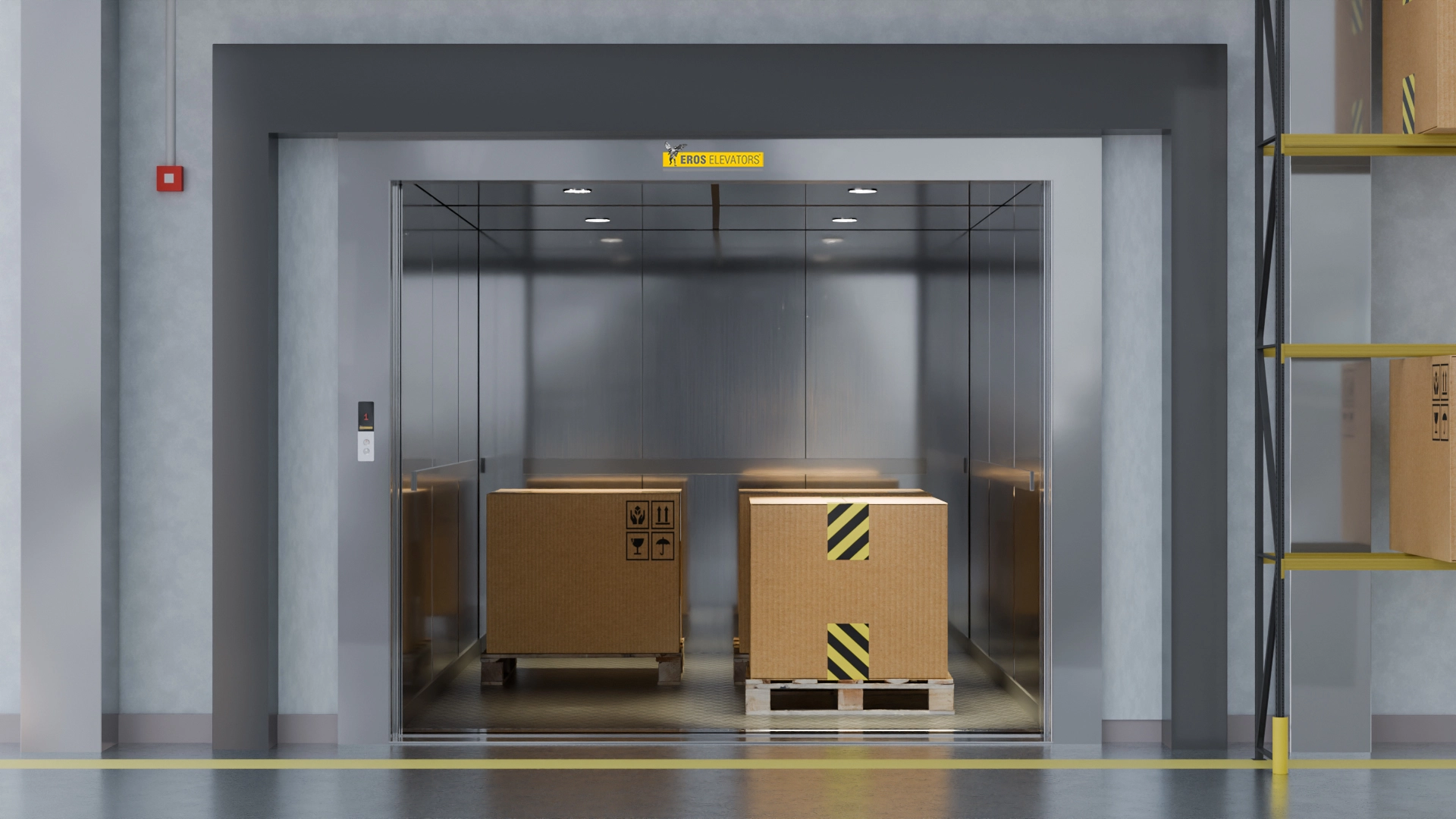
4. Freight / Goods Elevators
Used for heavy loads – goods movement, service lifts, warehouses, manufacturing floors, etc.
While the Eros site mentions car elevators and broad capabilities, goods/freight lifts are usually part of the portfolio of major elevator firms.
When to choose: Industrial buildings, warehouses, big commercial complexes, where heavy/dimensional loads must be moved vertically.
What Eros Elevators Specialises In
Here’s how Eros Elevators distinguishes itself in the elevator industry:
- Founded in 1947, headquartered in Mumbai, with branches across major Indian cities (Pune, Bangalore, Ahmedabad, Surat, Rajkot, Nashik, Vapi, Daman and Hyderabad) – signalling deep presence and experience.
- Offers end-to-end solutions: design, manufacture, install, maintain and modernise elevators – not just basic supply.
- Wide range of elevator types and capacities: from standard passenger lifts to car elevators, hospital lifts, machine-room-less systems.
- Focus on Modernization / upgrades: helping existing installations meet newer performance or regulatory standards.
- Emphasis on quality, safety, reliability and after-sales service (branch network supports this).
- Customisation ability: Given they serve various segments (residential, commercial, hospital, auto-freight), they can tailor solutions (capacity, speed, finishes, controls).
From a content/SEO perspective, this gives multiple angles: elevator types, building use-cases, Modernization, segments served, technical specs.
FAQs on Elevators & Lift Solutions
Helpful answers to common questions about choosing, installing, and maintaining elevators.
Consider building height, number of floors, user traffic, load capacity (passenger, goods, or vehicle), shaft and machine-room constraints, budget, and long-term maintenance requirements. For example, a 20-storey residential building may use a gearless MRL elevator, while automated parking systems need car elevators.
Hydraulic elevators use fluid-powered systems and suit low-rise buildings but require a machine room and sometimes a pit. Gearless traction or MRL elevators use motorised traction without large machine rooms, offer higher speeds, greater energy efficiency, and are ideal for mid- to high-rise buildings.
Routine maintenance should be performed monthly or quarterly depending on usage. Modernisation—partial or complete—may be required when equipment ages, parts become obsolete, building usage evolves, or when higher performance or updated safety regulations are required.
Yes, but feasibility depends on structural capacity, shaft dimensions, pit depth, height clearances, access routes, and traffic flow. A specialist such as Eros Elevators can assess feasibility and propose suitable designs.
Eros Elevators offers decades of experience (since 1947), a wide product range, nationwide branch presence, complete in-house services (manufacturing, installation, maintenance, modernization), and solutions for multiple segments including residential, commercial, hospitals, and automotive freight.